The Visual Effects of Concussion
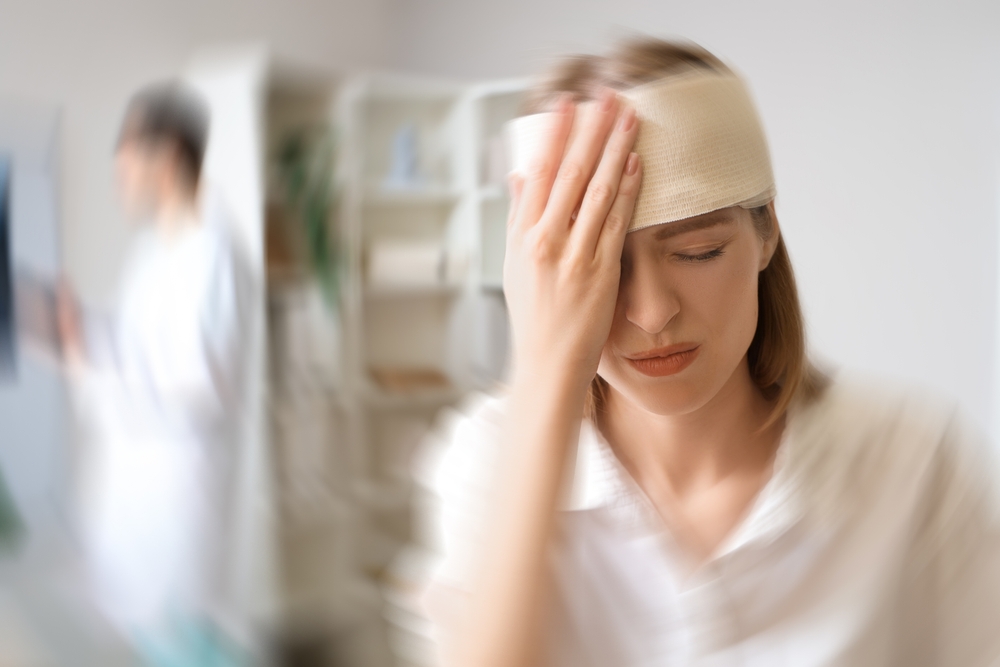
A concussion—often classified as a traumatic brain injury (TBI)—can have profound effects on the visual system. Vision is not just about the eyes; it is a complex brain-based process. Because a large portion of the brain is devoted to visual processing, it is not surprising that visual dysfunction is very common after a concussion. Research summarized by the Optometric Vision Development & Rehabilitation Association (OVDRA) indicates that “up to 90% of patients experience visual problems following a concussion”. [1]
These problems are frequently overlooked in standard medical evaluations because the eyes themselves may appear healthy.However, TBIs disrupt visual processes, leading to functional visual deficits. [2]
Why Concussion Affects Vision
The visual system involves multiple brain regions responsible for eye movements, focusing, visual processing, spatial awareness, and coordination. A concussion can affect these systems simultaneously.
Many patients develop a condition often referred to as Post-Trauma Vision Syndrome, in which the brain struggles to coordinate visual information efficiently. This results in symptoms that affect reading, balance, concentration, and activities of daily living. [3]
Three visual systems commonly affected include eye teaming, eye focusing, and eye movements. Disruption in these systems will impair tasks such as reading, computer use, driving, and navigating visually busy spaces, such as grocery stores.
Common Visual Symptoms After Concussion
Visual symptoms may appear immediately after the injury or emerge days to weeks later. According to research summarized by OVDRA, common symptoms include:
* Blurred vision
* Double vision
* Difficulty focusing
* Sensitivity to light
* Poor depth perception
* Words moving or jumping while reading
* Difficulty tracking lines of text
* Eye strain with reading or screen use
Neurological symptoms are also associated with Post-Trauma Vision Syndrome. These include the following:
* Headaches or migraines
* Dizziness
* Balance problems
* Nausea
* Difficulty concentrating
* Fatigue with visual tasks
* Motion sensitivity in busy environments
Many patients also report that “reading becomes slower and more exhausting”. They may also lose their place on the page. These symptoms often reflect disruptions in binocular coordination and eye movement control. [1]
Functional Impact on Daily Life
Visual dysfunction after concussion can affect nearly every aspect of daily living. Patients commonly struggle with reading, computer work, driving, and sports. In children and students, these visual problems may be mistaken for attention difficulties or learning issues. Identifying and treating the underlying visual dysfunction is essential for full recovery.
Neuro-Optometric Evaluation
A standard eye exam likely will not detect many concussion-related visual deficits. Neuro-optometric evaluations assess functional visual skills. These assessments help determine how the brain and visual system are working together after injury. They identify areas of dysfunction in eye teaming, eye focusing, eye tracking, visual processing, and visual-vestibular function.
Treatment for Post-Concussion Visual Problems
The primary treatment approach recommended by neuro-optometric organizations such as OVDRA is neuro-optometric vision rehabilitation. Therapy focuses on restoring the connection between the eyes and the brain. Vision rehabilitation typically involves several treatments.
1. Vision Therapy
Vision therapy is a structured program of in-office and home-based exercises designed to improve functional visual skills. These activities help retrain neural pathways involved in visual function.
2. Therapeutic Lenses
Specialized lenses may be prescribed to improve visual comfort and reduce symptoms such as light sensitivity or visual strain.
3. Prism Lenses
Prisms can help correct binocular vision misalignment, reducing symptoms such as double vision, dizziness, and imbalance.
Because each concussion is unique, treatment plans must be individualized.
The Role of Neuro-Optometry in Concussion Recovery
Visual dysfunction is one of the most common, and treatable, complications of concussion. Neuro-optometric care plays an important role in concussion management alongside neurology, vestibular therapy, and rehabilitation medicine.
When properly diagnosed and treated, many patients experience significant improvement in symptoms and functional performance.
Sources:
[1]: https://www.optometrists.org/vision-therapy/neuro-optometry/vision-and-brain-injuries/vision-therapy-for-concussions/?utm_source=chatgpt.com "Vision Therapy for Concussions - Optometrists.org"
[2]: https://www.optometrists.org/vision-therapy/neuro-optometry/vision-and-brain-injuries/retraining-the-brain-post-concussion/?utm_source=chatgpt.com "Retraining the Brain Post-Concussion - Optometrists.org"
[3]: https://www.optometrists.org/vision-therapy/neuro-optometry/vision-and-brain-injuries/vision-therapy-for-concussions/are-you-suffering-from-post-concussion-symptoms/?utm_source=chatgpt.com "Are You Suffering From Post-Concussion Symptoms? - Optometrists.org"
All Eye
Care Services

Keep
In Touch


Our Services
Contact Info

Hours of Operation
- Monday Closed
- Tuesday 9:00am - 6:00pm
- Wednesday 9:00am - 6:00pm
- Thursday 9:00am - 6:00pm
- Friday 9:00am - 6:00pm
- Saturday 9:00am - 4:00pm
- Sunday Closed
© 2026 Small Wonder Eye Care. All rights Reserved. Accessibility Statement - Privacy Policy - Limited English Proficiency Policy - Sitemap
Powered by: